



Emergency Preparedness
Natural disasters can happen fast, and they can feel scary and confusing. They can damage homes, cut off power, and make it harder to get essentials like food, medicine, or support. In San Francisco, San Mateo, and Marin counties, we may face wildfires, earthquakes, tsunami and tornado warnings, flash floods, extreme heat events, and atmospheric rivers!
At GGRC, we’re here to help you feel more prepared for these emergencies by sharing resources, training, and local emergency information. Below, we’ve listed tools and resources to help you prepare, stay informed, and get support during a natural disaster.
3 Steps to Prepare for an Emergency

Step 1
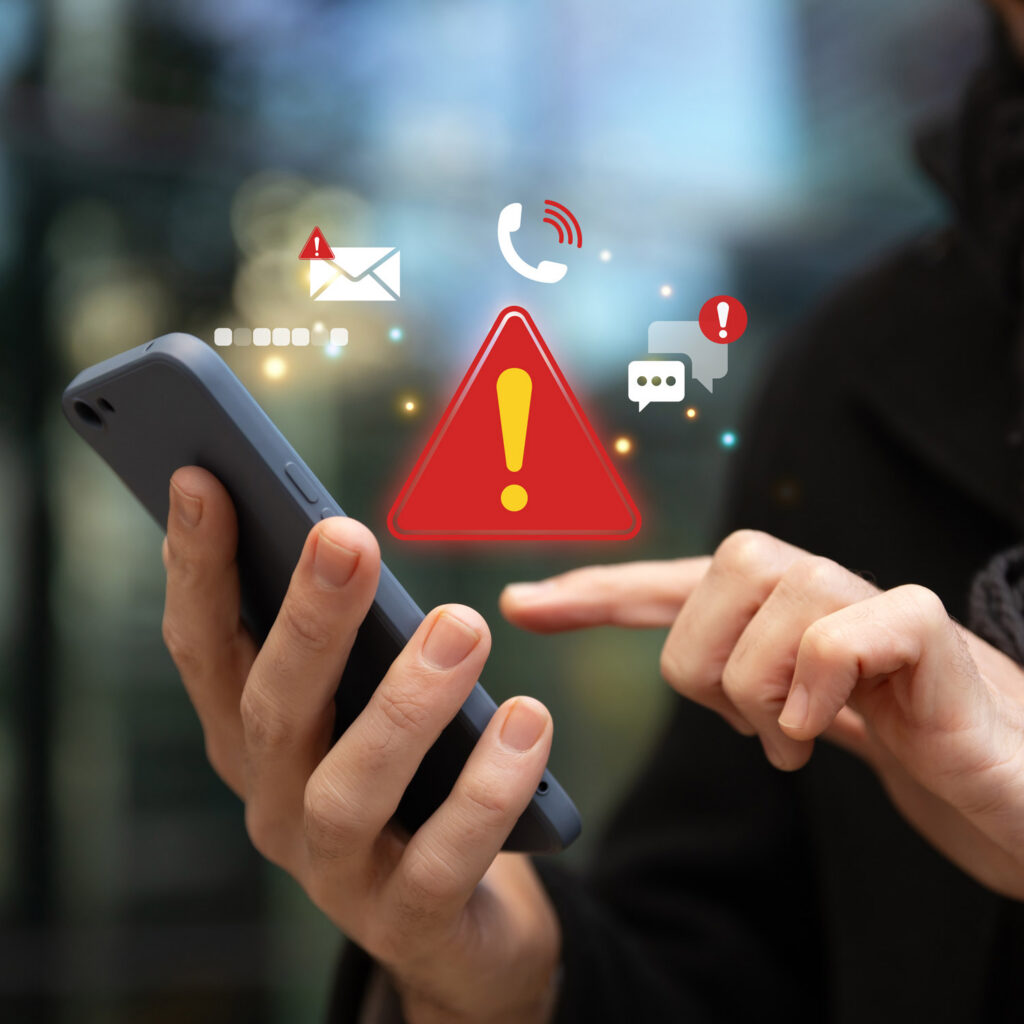
Sign up for emergency alerts in your county
Emergency alerts can tell you when to evacuate, where to go, and what to do next. Make sure you’re signed up for alerts where you live.
Step 2
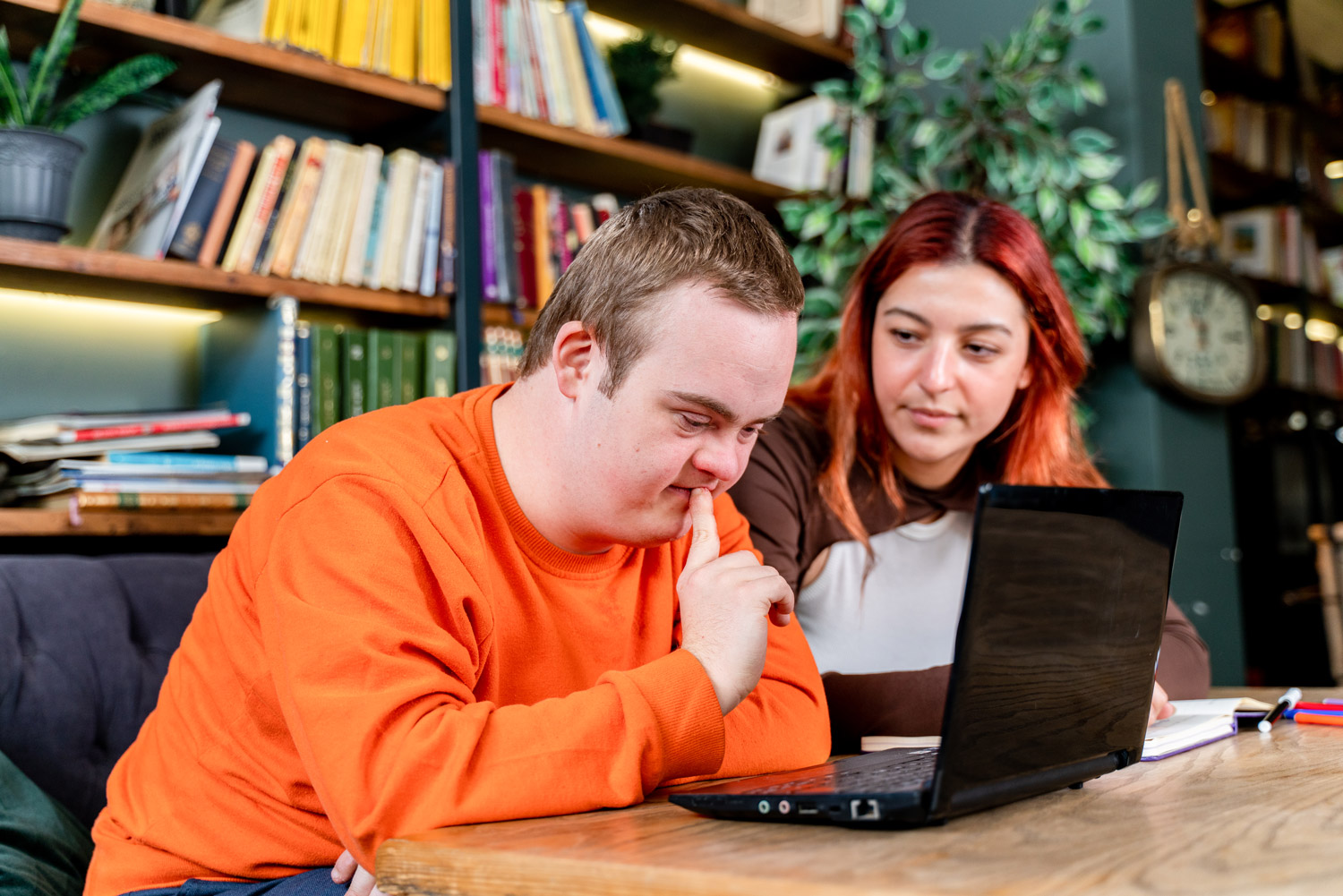
Download resources and learn what to do
Use the guides and tools below to learn how to prepare for emergencies like wildfires, earthquakes, flooding, and extreme heat.
Step 3
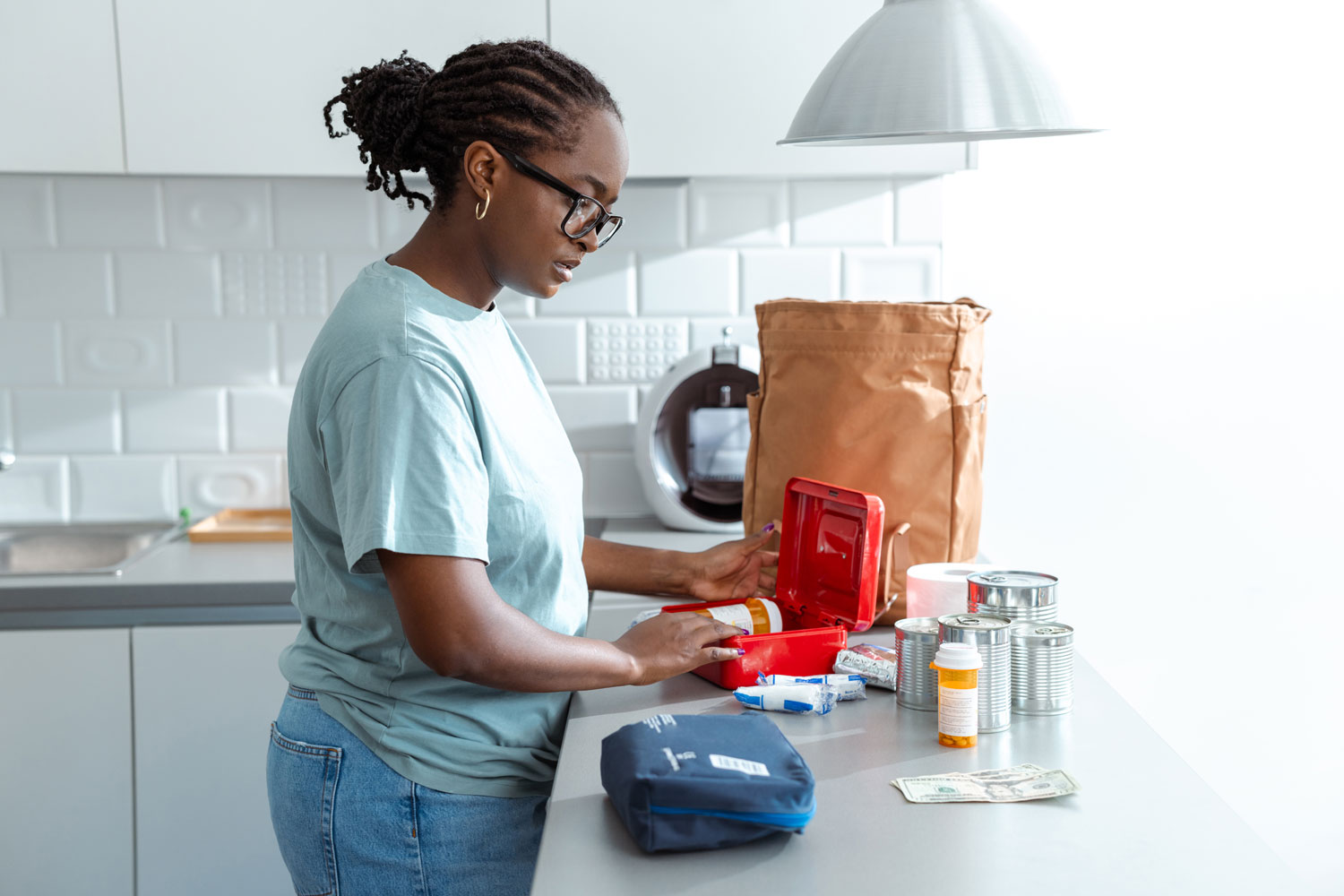
Build your emergency toolkit and plan
Think through what you would do in an emergency. Write down important phone numbers, plan where you would go, and make sure the people who support you know your plan.
Want a fun way to learn more about how to be prepared for an emergency? Watch Lanterman and Friends as the learn what to do when an emergency happens in Sunnytown, California!

What to do during an emergency?
- Use your emergency response skills – remember what you learned when preparing for an emergency? Put those skills to work!
- Follow all county or city directions and alerts to help you stay safe.
- Call 911 if you need the fire department, police department, or emergency medical care.
- Contact your GGRC social worker if you need extra help with housing, food, medication access, or other daily living needs.
What to do after an emergency?
- Check in with yourself and those around you. Are you safe? Is your house safe to stay in? Do you have electricity, food, water, medication, and other needed medical supports? If you need help with any of those, contact your GGRC social worker and the resources below.
- Check your supplies – restock for the next emergency.
- Check your emergency response plan – was it helpful or do you need to make changes? Make sure your support team knows if you change your plan.
County Emergency Preparedness Resources
San Francisco
- ReadySF: Helps you know what to do before, during, and after an emergency. Stay ready, so you don’t have to get ready.
San Mateo
- San Mateo County’s Department of Emergency Management provides helpful resources and information regarding emergency and disaster resources for San Mateo residents.
Marin
- During an emergency, the Marin County Public Emergency Portal provides residents with the latest information about significant events along with resources and next steps.
The Rest of California
- Cal Alerts provides links to sign up for alerts about emergencies in any county in California.

Do you have a medical need that requires a portable battery in an emergency? DDS has partnered with Disability Disaster Access & Resources (DDAR) to provide portable batteries to people with disabilities. Contact your GGRC social worker for more information.
-
Emergency Preparedness Resources
211 assists during and after events like severe weather, wildfires, or floods. 211 can also help with key essentials (i.e., finding backup power resources, transportation, shelter, food, etc.), along with locating evacuation centers, road closures, safety instructions, and social services to assist disaster victims.
Dial 2-1-1 or visit their website.
511 Bay Area is a real-time traffic information resource that provides information about road conditions and hazards.
A program of the California Foundation for Independent Living Centers. Disability Disaster Access & Resources (DDAR) helps people with disabilities and older adults prepare for and bounce back from natural disasters. They’ll help you create an emergency plan, find accessible transportation, and more!
The California Department of Aging has created an Emergency Preparedness Guide that is specifically designed to help older adults and people with disabilities prepare for emergencies. Their guide will help you stay safe before, during, and after disasters and other emergency events.
These guides are available in English, Spanish, Traditional Chinese, Korean, Vietnamese, Tagalog and Armenian.
This mapping tool shares emergency related information from your local officials, and can alert you to dangers nearby and how to stay safe.
This disaster readiness and resource hub provides valuable information on how to better prepare for, respond to, and recover from disasters.
Resources to help those with access and functional needs to help stay safe during power outages.
A website from the United States Department of Homeland Security offering disaster and emergency preparedness information.
LISTOS California’s disaster recovery guide helps you with find the support you need to recover after a disaster.
-
Wildfire Resources
Interactive map with Air Quality forecasts and updates for the Bay Area.
Cal Fires get wildfire ready preparedness page that includes steps on how to prepare yourself, prepare your property, and how to prepare for evacuations.
The California Department of Forestry and Fire Protection’s interactive map that includes current fire information.
Watch Duty is a nonprofit, alerting system that alerts you of nearby wildfires and firefighting efforts in real-time.
-
Earthquake Resources
Get earthquake preparedness tips and resources, as well as how to protect yourself before, during, and after an event.
This website has resources and recommendations for getting prepared and registering for earthquake alerts.
Earthquake preparedness resources for people with disabilities and other access and functional needs. From earthquake preparedness guides, key safety accessibility tips, recommended earthquake safety actions, presentations, and other related earthquake resources.
-
Tsunami Resources
California Governor’s Office of Emergency Services tsunami preparedness information that explains what a tsunami is, tsunami preparedness methods, tsunami recovery, and tools and resources.
Tsunami Hazard Area Maps and Data showing areas at risk during a tsunami event. This page also provides county-specific informational links and resources, on what to do before, during and after a tsunami.
Educational videos and information about tsunamis from the California Geological Survey (CGS).
-
Extreme Heat Resources
Information on recognizing warning signs and symptoms of heat stroke, tips for preventing and treating heat-related illnesses, videos, and other available resources.
Online tool that helps people understand how extreme heat impacts specific communities across California.
Find a public place to cool down during extreme heat events.
Educational resources related to extreme heat events, including understanding your g personal risks in the extreme heat, identifying the warning signs of heat-related sickness, heat safety tips, and extreme heat planning resources.
Deaf Community Emergency Preparedness Resources
DDS has partnered with a workgroup to develop specialized resources for people in the deaf+ community to create communication cards designed to support effective communication with emergency personnel and shelter staff. Digital cards are available below.
Emergency Toolkit Resources
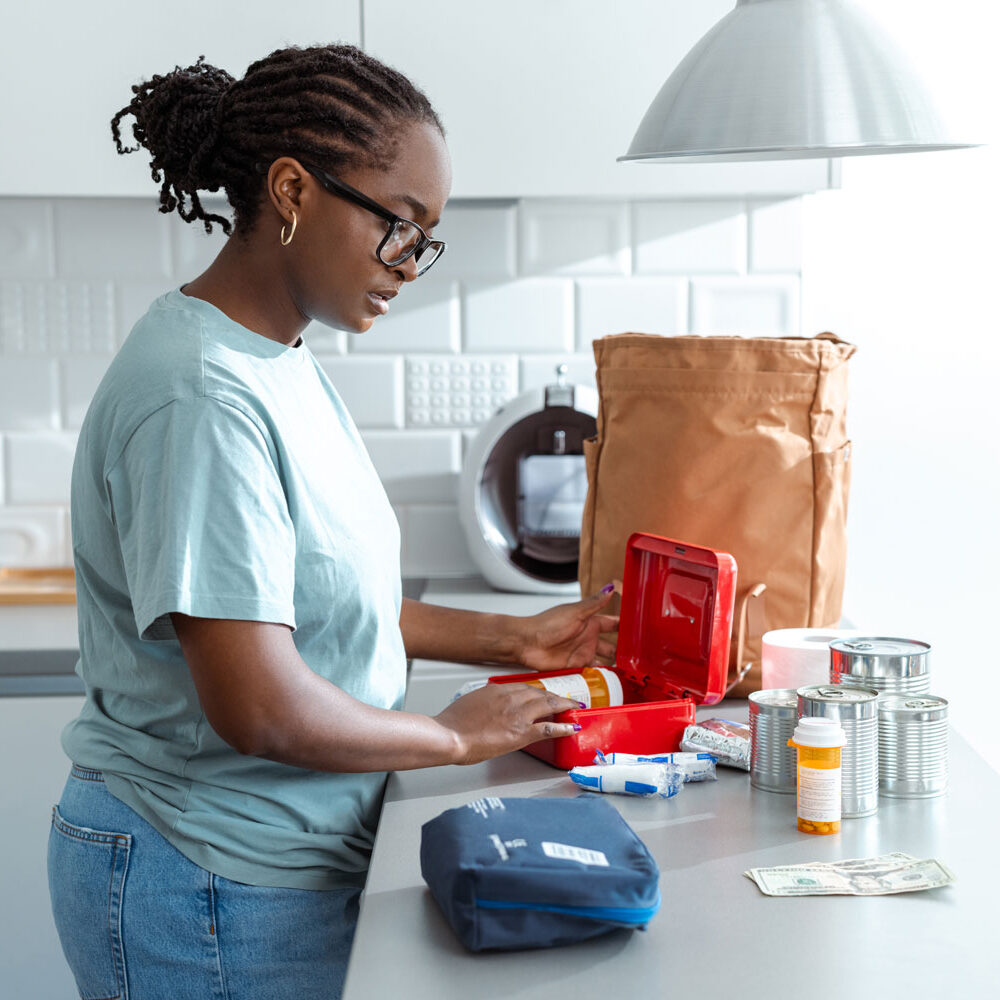
FEMA: Build A Go Kit
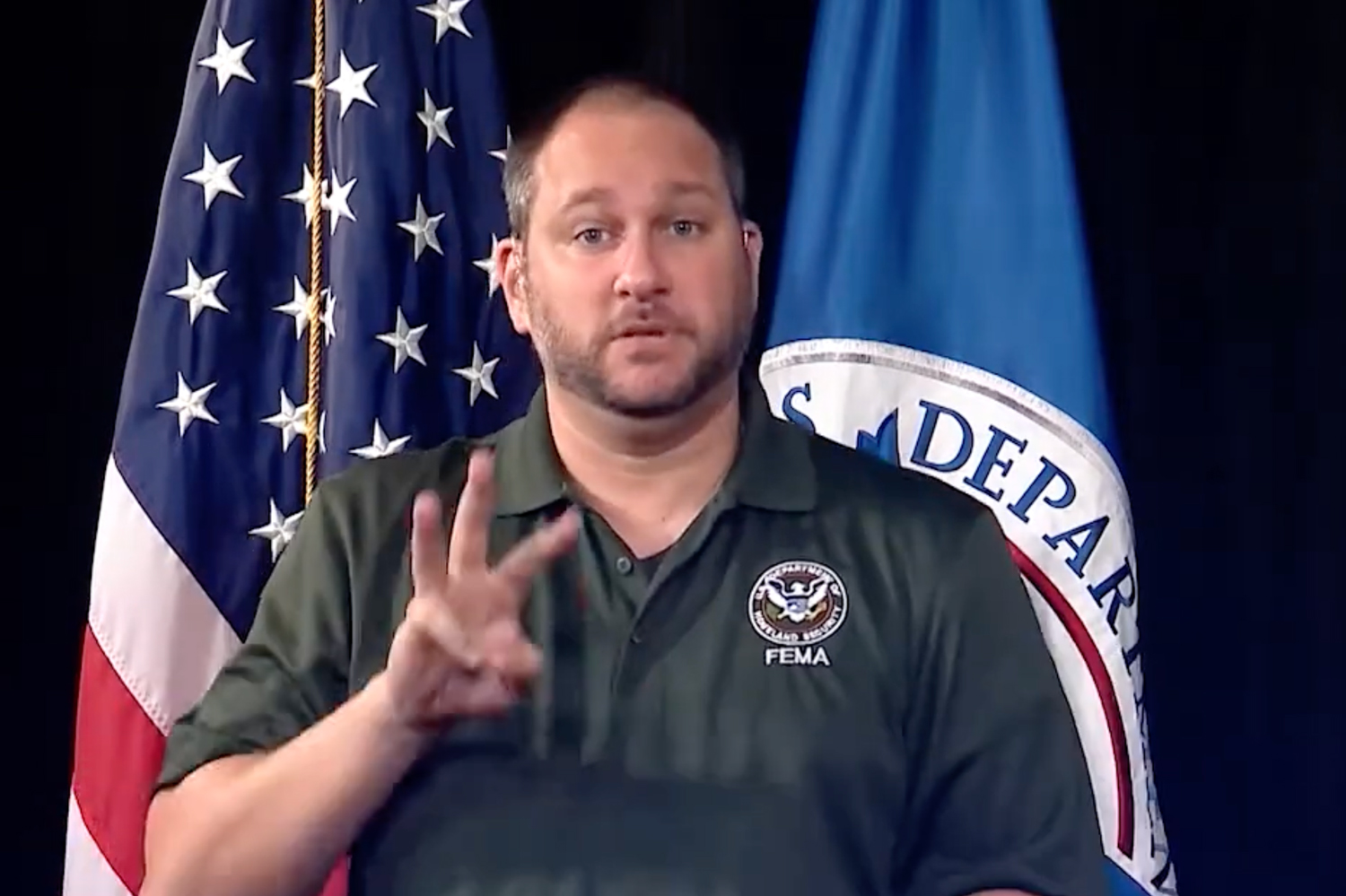
- Federal Emergency Management Agency resource video on building an emergency Go-Kit.
Let’s Get Prepared
- State Council on Developmental Disabilities Emergency Preparedness Guide with pages on emergency Go-Kits and and storing emergency supplies.
Disaster Ready Guide
- Ready California guide with information about Go Bags and Stay Boxes so you can be ready for both scenarios.
Feeling Safe Being Safe
Callout to Service Providers…
If you are service provider supporting someone in the community, living independently or in a licensed program, you can help make sure people using your services are prepared for an emergency and supported during an emergency. Here are a few ideas to get you started.
Support each person to create and annually review an individual emergency preparedness plan that includes:
- Support needs
- Medication and health support needs
- Communication support and adaptive communication supports if needed
- Sensory supports
- Other information that will help support someone during an emergency
Support people to stock emergency supplies
- Make sure individuals select preferred shelf stable food supplies, emergency sensory items, and other items included in an at home kit or go kit
- Don’t forget to check expiration dates and replace items as needed
Education and Training
- Provide education to individuals using your services and your staff so they know what to do in an emergency
- Practice responding to different types of emergencies
Emergency Preparedness Videos
-
CDC: Preparedness for All: Emergency Planning for People with Disabilities
-
 Video
Video
FEMA: Build A Go Kit
-
Video
American Red Cross Wildfire Pre-Planning and Evacuation