




Transition to Adulthood
(Ages 14-22)
As students with Individualized Education Programs (IEPs) get older and progress through school, their special education program is required to focus more intentionally on preparing for life after high school. School transition planning usually begins at age 14, but every family situation is unique.

Jump to a section
Transition Planning
For students and their families, the thought of transitioning from school services to the adult world can be overwhelming. Many are unsure of what is meant by transition services and wonder how to begin planning. There will be many types of plans to consider — education, medical, signing up for services, housing, legal protections for your child, career, planning a social life and more. Your family doesn’t have to come up with all the right questions, answers, and goals alone – the team at GGRC is here to help.


Self-Advocacy and Decision Making
It is important to remember that self-advocacy is a learned skill that needs to be practiced by young people and their families. Some adults make decisions independently, while others need more support, and there are several options for how this support is provided.
- Conservatorship is a court process where a judge appoints someone to make decisions for another person, either in specific areas (limited conservatorship) or all areas.
- Alternatives, like Supported Decision-Making, allow a person with a disability to choose a team to help with decisions. It is possible to have both a limited conservatorship and Supported Decision-Making in different areas.
- Options are also available to help people who do not use speech to communicate.
We encourage you to take time to learn about these different options and practice them to find what works best for you.
Key Considerations on the Journey
to Adult Services
-
Legal and Financial Plans
- It is critical to have a will that establishes who will care for your child and ensure their support as an adult.
- Consider setting up a financial plan and opening a bank account in your child’s name before they turn 18.
-
High School / IEP
- IEP services end when your child finishes high school with a standard diploma or turns 22. Ask your IEP team for more details.
-
Turning 18
- Turning 18 is a significant milestone – your child becomes a legal adult. It is critical to have a decision-making plan and legal documents completed BEFORE they turn 18, if appropriate.
-
Medi-Cal and CCS
- Your child must apply for Medi-Cal as an adult before turning 18. Most child Medi-Cal waivers end at 18.
- California Children’s Services (CCS) coverage ends at age 21.
-
Medical Privacy
- Doctors may start having private talks with a person around the age of 12-13. Your child may need to give permission for you to see their medical records.
-
Regional Center/DOR
- When IEP services end, services and supports from the Regional Center (GGRC) and Department of Rehabilitation (DOR) become more important.
- At age 18 and older, your child must sign a Release of Information, giving the regional center permission to speak with you about their services unless you are your child’s conservator.

Important Questions to Help you Plan
Ask yourself:
- What is my dream for the future?
- What would I like to do now?
- What skills do I want to learn to become more independent?
- What support do I need daily?
- What do I want to do during the day?
- Do I want to go to college?
- Do I want to find a job and work?
- Who are the important people in my life who I want to spend time with?
- Am I interested in dating and romantic relationships?
- Do I need help meeting other people and making new friends?
- Where do I want to live?
Helpful Articles About Transitioning to Adulthood
-
 Document

Moving Forward: Employment Opportunities
-
Document
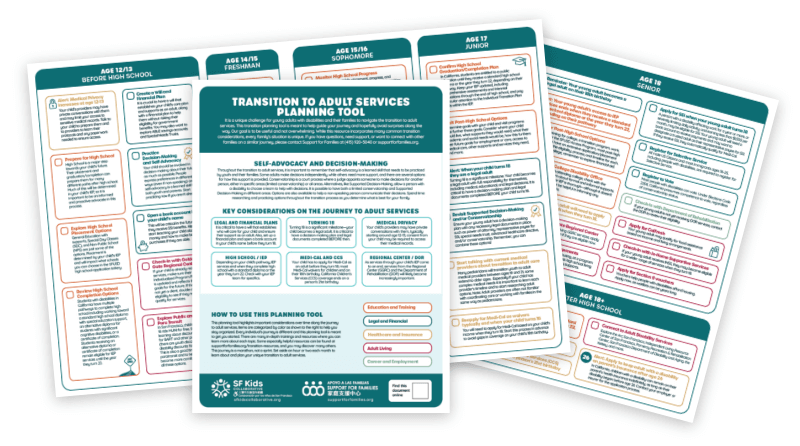
Transition to Adult Services Planning Tool
-
Document
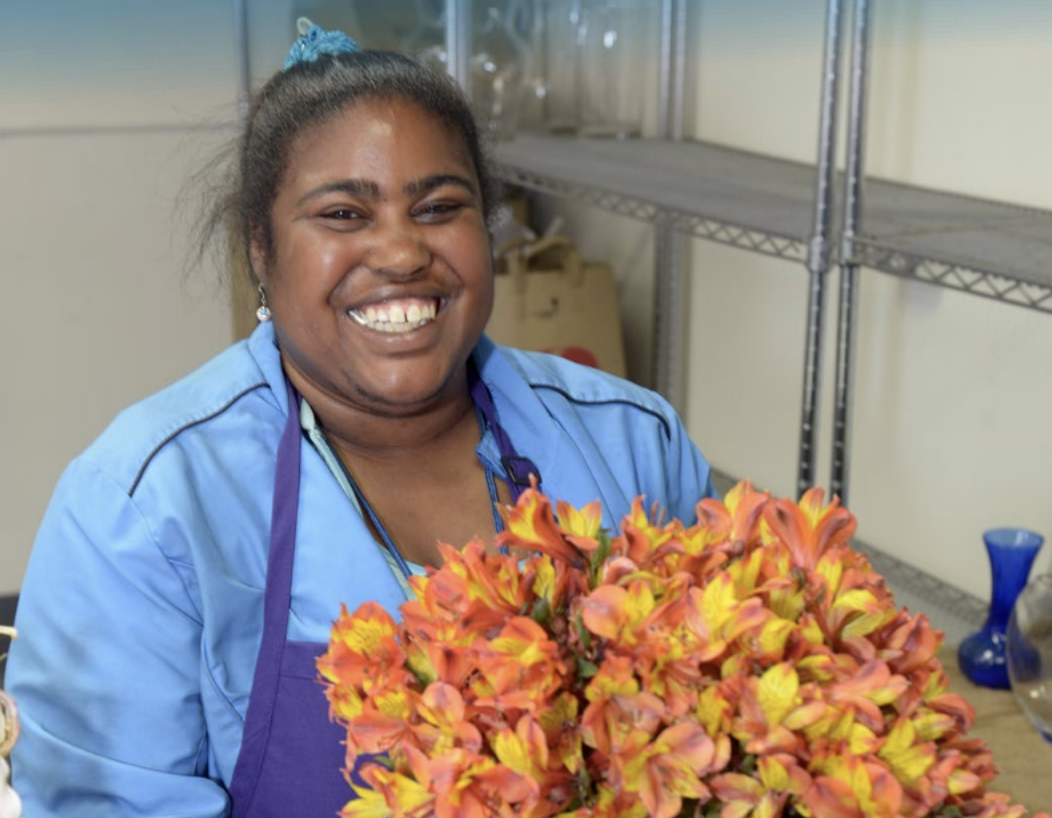
Moving Forward: Transition into Adult Services and Supports