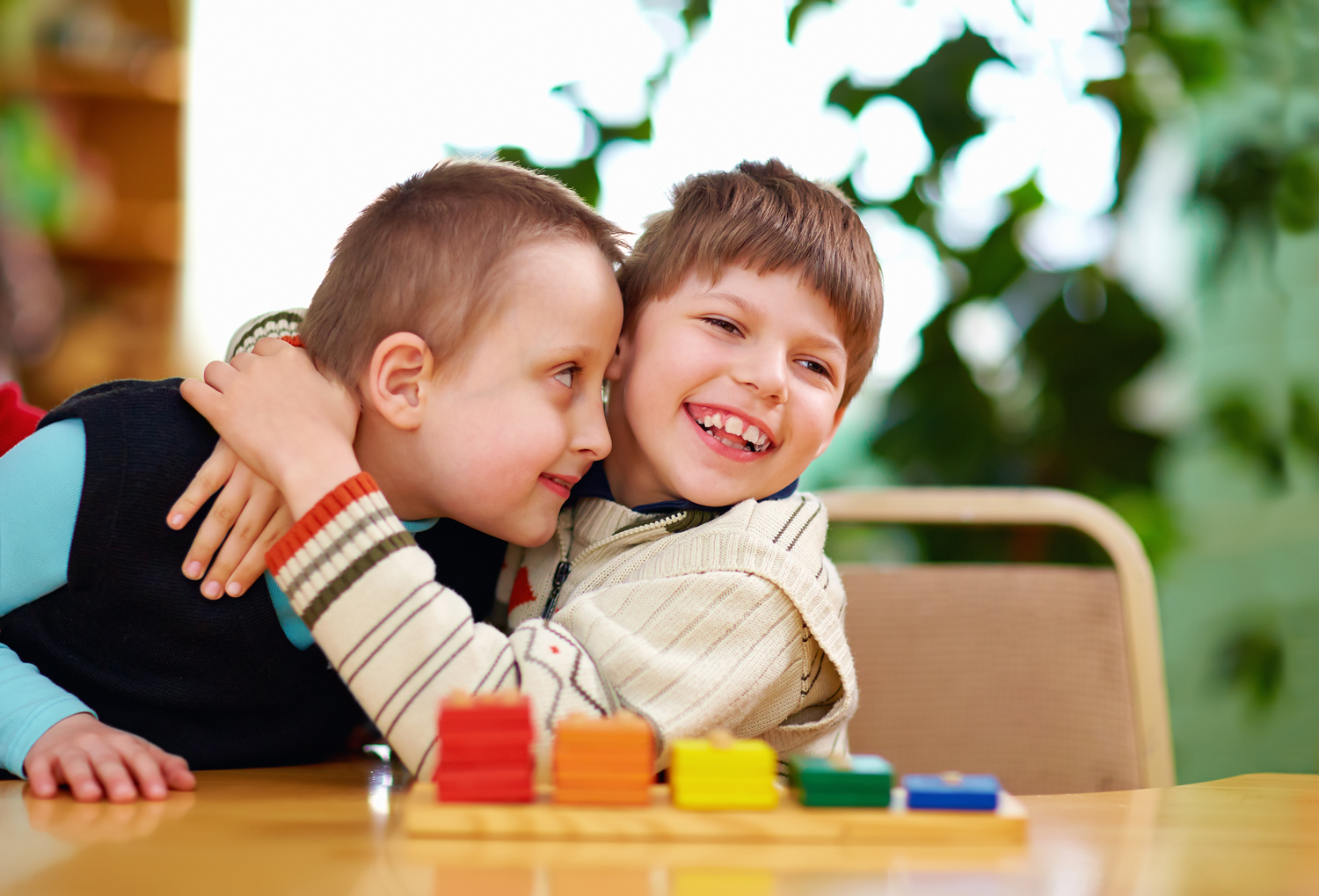




Children’s Services (Ages 4-13)
We coordinate any necessary transition planning before your child becomes school aged, and we fund certain services that schools do not provide. While children may often receive most services in school, we may provide additional services such as respite, social recreation, camp, or other supportive services.

Jump to a section
Your Child’s Education
Typically, after your child turns three, your local public school becomes responsible for most services as the generic resource. The school will work with you to develop an Individualized Education Program (IEP). An IEP is a legal plan that explains what services and supports your child will get at school.
Your child’s education represents a new stage of growth and discovery. School is a place for your child to learn new skills, learn social behaviors, and become more independent. As a parent, you continue building the foundation for your child’s future, and over time, help them get ready for adult life. It is also an important opportunity to learn how to speak up for your child’s needs.
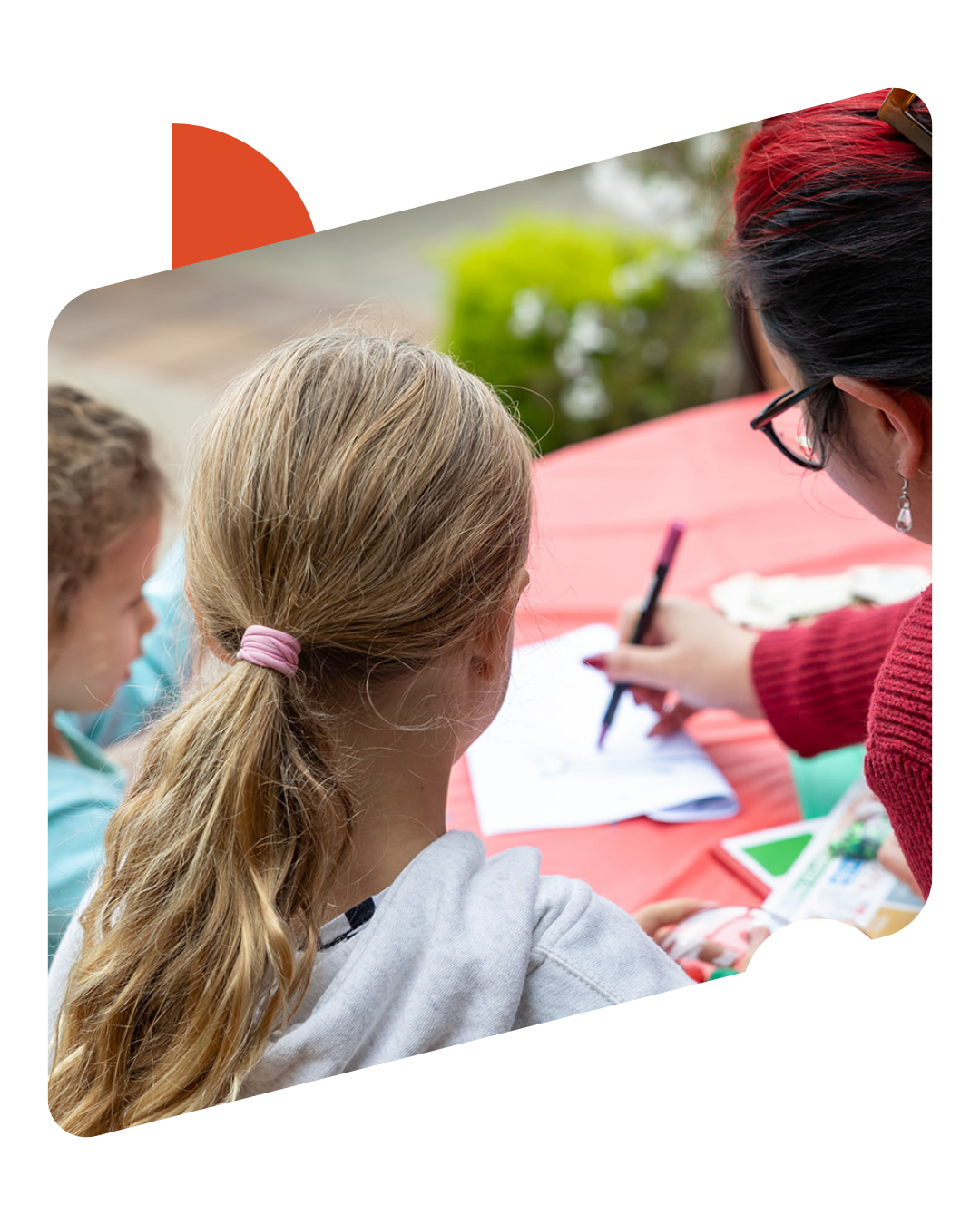
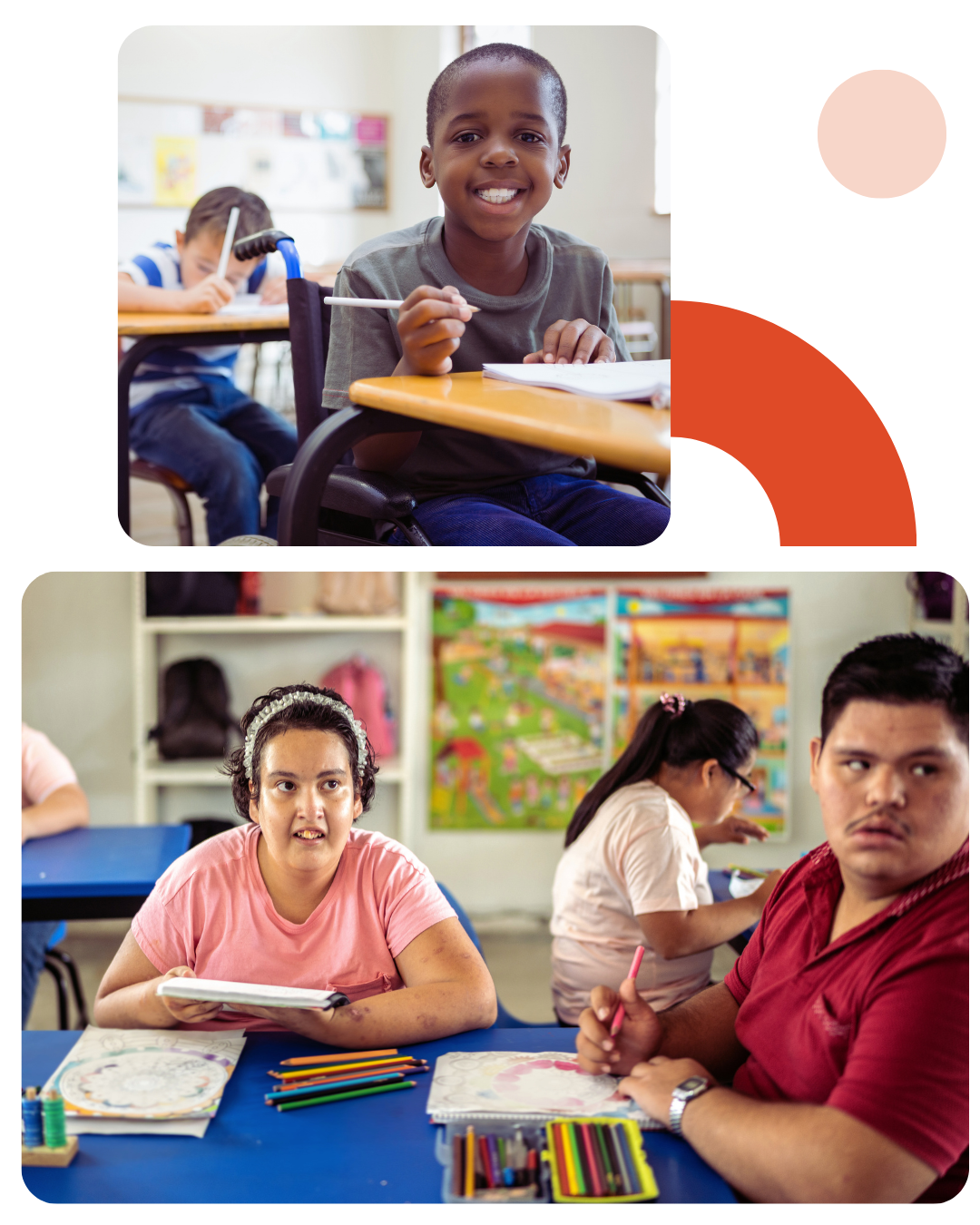
School Resources
Many children receive special education services through their local school district or County Office of Education. The Individuals with Disabilities Education Act (IDEA) is a federal law that says how schools must help students with disabilities. IDEA covers children from birth until they finish high school or turn 21. Each state must follow these rules.
The IEP is a key part of the IDEA. It explains what special education services and supports your child will get. It also explains how your child will receive a Free Appropriate Public Education (FAPE). Learn more about IEPs.
When your child has an IEP or is being assessed for special education, you have legal rights called Procedural Safeguards. The school will give you a printed copy of these rights at every IEP meeting. You can also ask the school to explain them to you. The school should give you this notice in your preferred language. Here is a copy of the Notice of Procedural Safeguards (link) along with a summary of some important rights:
- You can take part in all meetings about your child
- You can see your child’s school records
- The school must keep your information private
- Informed (parental) consent – the school needs your permission before testing your child
- Prior Written Notice – the school or district must tell you in writing before making changes to your child’s IEP regarding services, placement and/or eligibility
- All information must be in a language you understand
- If you disagree with the school’s evaluation, you can ask for an Independent Educational Evaluation (IEE) – learn more about IEE’s here (link)
- “Stay put” right – if you and the school disagree about services or placement, your child can “stay put” until the disagreement is resolved
- Dispute Resolution Options – how to solve disagreements between parents and school/district
Special Education Local Plan Areas (SELPAs)
In California, all school districts and county schools are part of SELPAs (Special Education Local Plan Areas). SELPAs help schools provide assessments, services, and equipment for children with disabilities. They also make sure special education programs are available and may provide things like adaptive equipment listed in your child’s IEP.
- San Mateo County Special Education Local Plan Area (SELPA)
- Marin County Special Education Local Plan Area (SELPA)
- San Francisco County Special Education Local Plan Area (SELPA) – please note, San Francisco Unified School District is both a District and SELPA
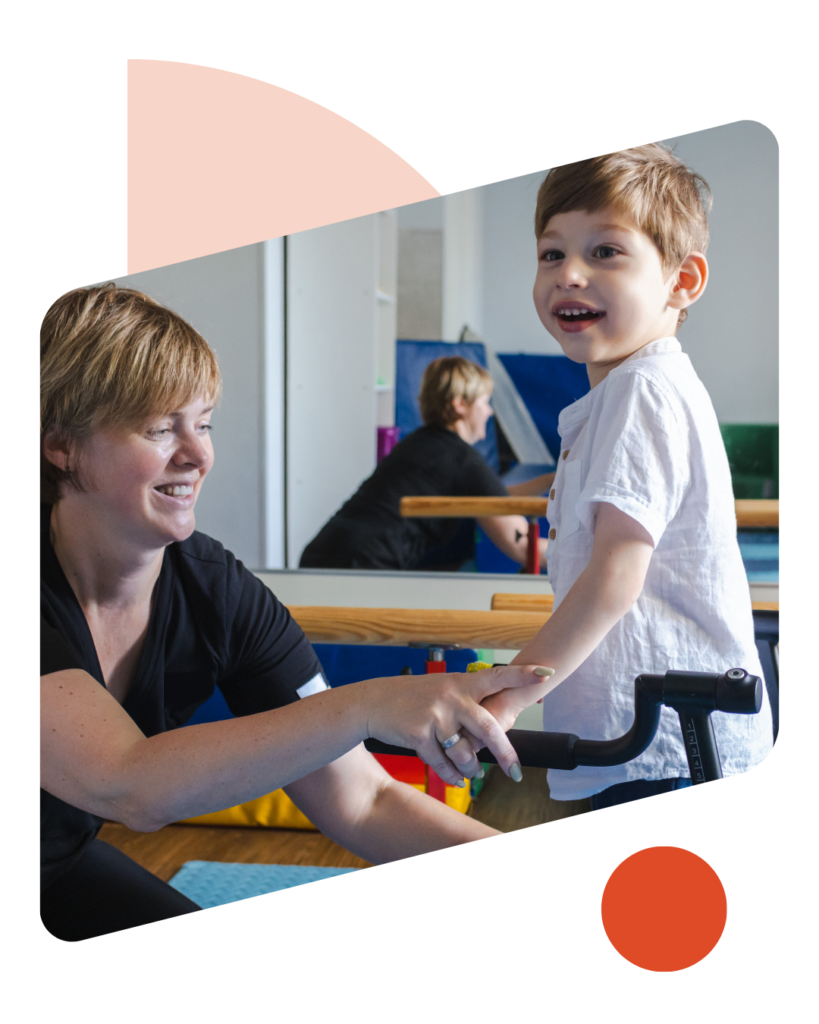
Additional Services Available
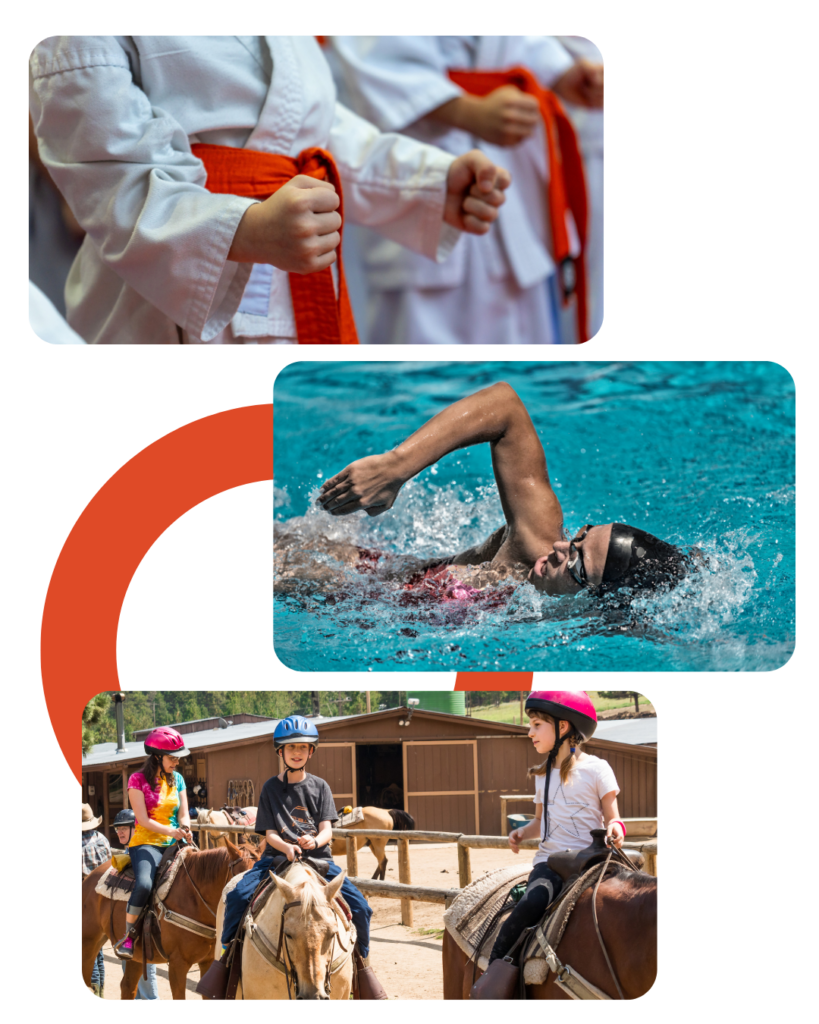
GGRC prioritizes increased access to social recreational activities, camping services, and non-medical therapies. While some of these activities may be accessible through schools, community organizations, and other generic resources, there are times when GGRC can help support your child’s participation.
Such activities may include:
- Local community recreation centers
- Martial arts
- Swimming
- Gymnastics
- Day and overnight camps
- In-home and out-of-home respite
- Non-medical therapies, such as Art, Dance and Music therapies
- Specialized recreation
- Horseback riding
For more information on other services available for your child, please talk to your assigned GGRC social worker.
 Link
Link