




Adult Services
(Ages 18+)
We support individuals with intellectual and developmental disabilities (I/DD) as you navigate different life stages after graduation through retirement and aging. We can provide you with services such as looking for a job, on the job support and paid internships, health advocacy, housing advocacy and housing search services, home support, training to access public transportation, independent living skills education, respite services or other supportive services to help you live the life you want to live in your community.

Jump to a section
What to Expect
As an adult, your GGRC Social Worker can help you figure out what is next for you through person-centered case management services. This means a GGRC Social Worker will listen to your personal goals, strengths and challenges, and then suggest ways and programs to help you reach your goals. You always have the right to review your options and make your own choices.




What Adult Services Are Available?
The services you receive are determined by your needs and goals, as well as availability in the community. These services may include:
- Employment or paid internships
- Day services to develop new skills and friends
- Independent living skills training
- Supported living services
- Training to access public transportation
- Adaptive equipment
- Adaptive skills training and personal assistants
- Health advocacy services and mental health referrals
- Housing advocacy and family home advocacy
- Supported decision-making and conservatorship information
- Respite services for caregivers
-
Housing Services
When it’s time to start thinking about moving out of your family home, your social worker can connect you with different housing service options. There are many different options that provide support with daily living, from someone who helps you part of the time to staff who can provide support all the time. It is also important to remember that you can change your mind about where you live and these options will be there for you when you want them.
Do you want to live in a home that you rent or own? GGRC can connect you to services that help you with everything from finding a home to getting supportive services to live in your home. You can also decide if you want to live alone or live with a housemate.
- Housing Search Services – Housing Search Services help you find an apartment or home that is in your budget. The housing search service provider can also help you sign up for affordable housing programs, such as Section 8 housing, that can help reduce the cost of rent. While GGRC pays for the housing search service, you will be responsible for paying your rent once you move into your new home. Affordable housing programs provide reduced rent costs based on a person’s income. It can take a while to get access to affordable housing so you may need to consider another housing option while also using housing search services.
- Supported Living Services – Supported Living Services help you with activities of daily living that may help you live in your own home. Staff may help with cooking, shopping, budgeting, medical appointments, and anything else you need to help support you to live in your own home. Your supported living staff person might help you a few hours a day up to 24 hours a day, 7 days a week, depending on your needs. Your social worker can connect you with different Supported Living Agencies so you can find the agency that is the best match for you. Supported Living Services will be paired with In-Home Support Services (IHSS), paid for by the county you live in, for those who qualify.
- Independent Living Services – Independent Living Services are for someone who needs a small amount of support and might need more education in how to handle all the different details that come up when you live by yourself. Your independent living staff person might come in a few hours a week or month. They can help you learn how to budget, coordinate and attend medical appointments, cook, clean, or help you learn how to navigate other needs that come up when you live by yourself.
Do you want to move out of your family home but don’t want to live in your own house or apartment that you rent? You may want to consider living with a Family Home Provider or living in a Group Home.
Group Home – a group home, sometimes called a “Community Care Facility”, is a home where 4-6 people who use regional center services live and have direct support professionals who provide support to the residents. You may have your own room or you might share a room with a roommate. There are different levels of group homes that provide more staffing depending on the level of support you need. Group homes have more rules than living in a home you rent because you have to work together with the other residents to make sure everyone is supported and respected. Group homes are licensed by Community Care Licensing and are required to follow specific state regulations for their services.
You may hear of some specialized types of group homes that can be funded by GGRC:
- Adult Residential Facility for Persons with Special Health Care Needs (ARFPSHN) – a community-based home for adults with developmental disabilities who are medically fragile and require 24/7 licensed nursing supports
- Intermediate Care Facility (ICF) – a health facility that provides inpatient care to people who have recurring needs for skilled nursing supervision and need supportive care, but don’t need continuous skilled nursing
- Community Crisis Home (CCH) – a CCH provides crisis intervention and stabilization to individuals at risk for placement in more secure settings including local psychiatric hospitals
- Enhanced Behavioral Support Home (EBSH) – residential facilities that exceed the minimum requirements of a Level 7 Residential Facility that serve individuals who are eligible for regional center services, have a dual diagnosis of intellectual or developmental disability and mental health disorder, have a history of evictions and be at risk for placement in restrictive settings
Family Home Provider/Family Home Agency – A Family Home Agency (FHA) connects you with a Family Home Provider that is the right match for you. Living with a Family Home Provider means you will live with a family, be included in their family activities, and be supported by the family members for any activities of daily living support you may need like doing laundry, cleaning, and going to medical appointments. You will have your own bedroom and there may be one more person who uses regional center services who lives in the home. Working with an FHA may be a fit for you if you want to live with a family but are not able to continuing living in a home with your own family.
Moving out of a family home may not be for everyone. If you want to keep living in your family home but you or your family need some help, talk to your social worker about Coordinated Family Support Services. A CFS service provider will meet with you and your family and do an assessment to help you create a plan for the support that you need. They will match you with staff who can help you access other resources in the community, be involved in your community the way you want to be involved, help you create a staffing plan with back up staff so you have the help you need, and help you get started with other service providers who can help you and your family.
As you and your close circle of support get older, you may want to plan for the time when you need to change where you live to receive more support. CFS can help you and your family plan for the future. You may also want to take a class that helps you and your family plan for the future based on what is important to YOU.
-
Employment and Day Services
California’s Employment First Policy was signed into law in 2013. The policy makes it a priority for regional centers to ask every person served if they want to have support to get a job, and then provides the services that can help someone get and keep a job. There are several different types of services that can help someone learn how to get a job, explore the types of jobs they may want, and help support them while they are working.
- Supported Employment Services may be able to assist you in finding and maintaining a job in a competitive, customized or self-employed setting within the community. GGRC does not directly provide job development services. These services are delivered by qualified vendored service providers. Income earned through paid internships or employment may affect Social Security or Supplemental Security Income (SSI) benefits. However, many individuals who choose to work are financially better off overall. Certified benefits counselors can help you understand how employment may affect your benefits and assist with planning.
- Paid Internship Program – The regional center’s Paid Internship Program, sometimes called “PIP”, can work with you and an employer to pay your wages to do an “internship” at that place of work. An internship is a short, time-limited job that helps you try out a job to see if you like the work and teaches you the skills needed to work in that job. The regional center can arrange funding to pay for your wages while you work at the job. Please note – GGRC does not directly perform job development services. These services are provided through trusted vendored service providers. Social Security or Supplemental Security Income can and will be affected by income earned through paid internships and employment.
Day Program Services – Golden Gate Regional Center (GGRC) offers adult day programs to help you build skills, be more independent, and reach your goals. It is important that you are offered activities with people with and without disabilities, in the activities of your choice.
You may get day program services if:
- You are 18 or older and finished high school, OR
- You are 22 or older.
You and your Social Worker will choose a program that fits your needs. Each day program is different and may focus on things like jobs, art, college, or community activities. Most programs run Monday–Friday for 5–6 hours a day.
If you want more choices, flexible hours, and 1:1 support, ask about Tailored Day Services. This option lets you help plan your schedule and goals.
Day programs can be in one building or out in the community. They must be written in your Individual Program Plan (IPP).
Day programs can help you:
- Learn self-care and independent living skills
- Build communication, social, and self-advocacy skills
- Learn job skills, volunteer, or get help from a job coach
- Attend college or training programs
- Use community services
- Improve behaviors with support
- Support you with personal care, mental wellness, or medical needs
- If you want to explore day services, ask your regional center worker for help.
Some of these services are:
- Activities in the community
- Volunteer work
- Independent living skills
- Employment skills
- Communication and self-advocacy skills
- Social and recreational skills
- Help attending college
- Training in a specialty area such as art or food services
- Transportation training
- Help with personal care
- Help with mental wellness
- Nursing care for medical needs
Tailored Day Services are for people who want one-on-one support. This service gives you more choice and more control over your daily activities. You can use it if you want help with college classes, work, volunteering, or activities in your community. The support is flexible and focused on what you need.
Important things to know:
- You must try free or general community resources first before using Tailored Day Services.
- Tailored Day Services replace a regular day program or work program. You cannot use both at the same time.
- The support you get should help you work on specific goals that can be measured.
If you use Tailored Day Services, you cannot also use another day or vocational service from the regional center. These services can help you build job skills, get work experience, and take part in community activities. Your plan can include your schedule, how you start and end the program, and what to do if services are not available. The goal is to help you be more successful in college, work, and community life.
Transportation services help you get to programs and activities listed in your IPP. Transportation may be provided by:
- Public transit
- Specialized transportation companies
- Day programs
- Residential homes
- Family or friends
It can also include help getting in and out of vehicles and someone staying with you while riding.
Generic Resources
The regional center is the “payer of last resort.” This means if a service is available from another local, state, or federal program, can be paid for through insurance or by any other funding source, the regional center is not allowed to pay for it.

Helpful Articles About Adult Services
-
 Link
Link

Love Is Respect
-
 Document

Moving Forward: Employment Opportunities
-
Document
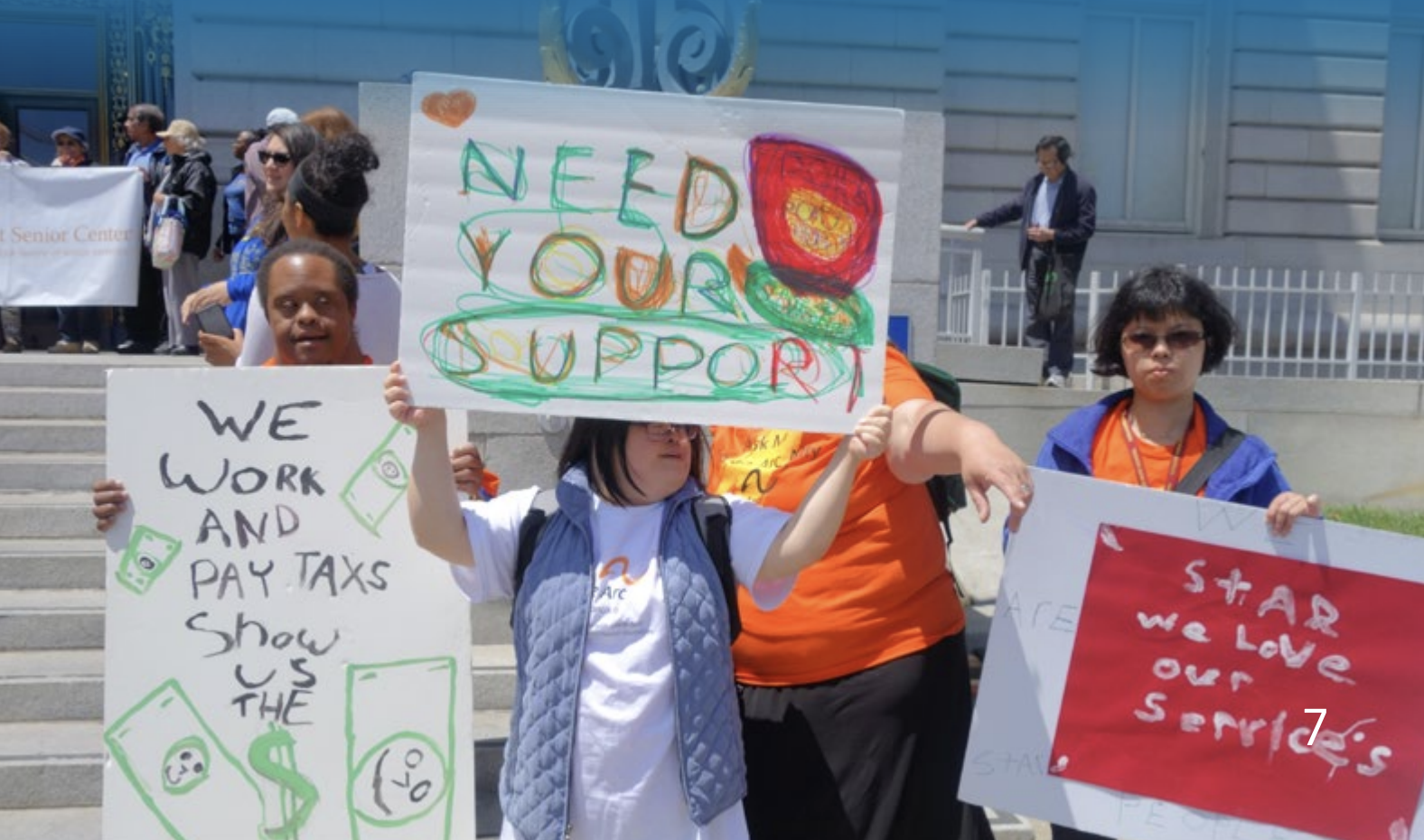
Moving Forward: Self-Advocacy
-
Document

Moving Forward: Living Options
-
Document
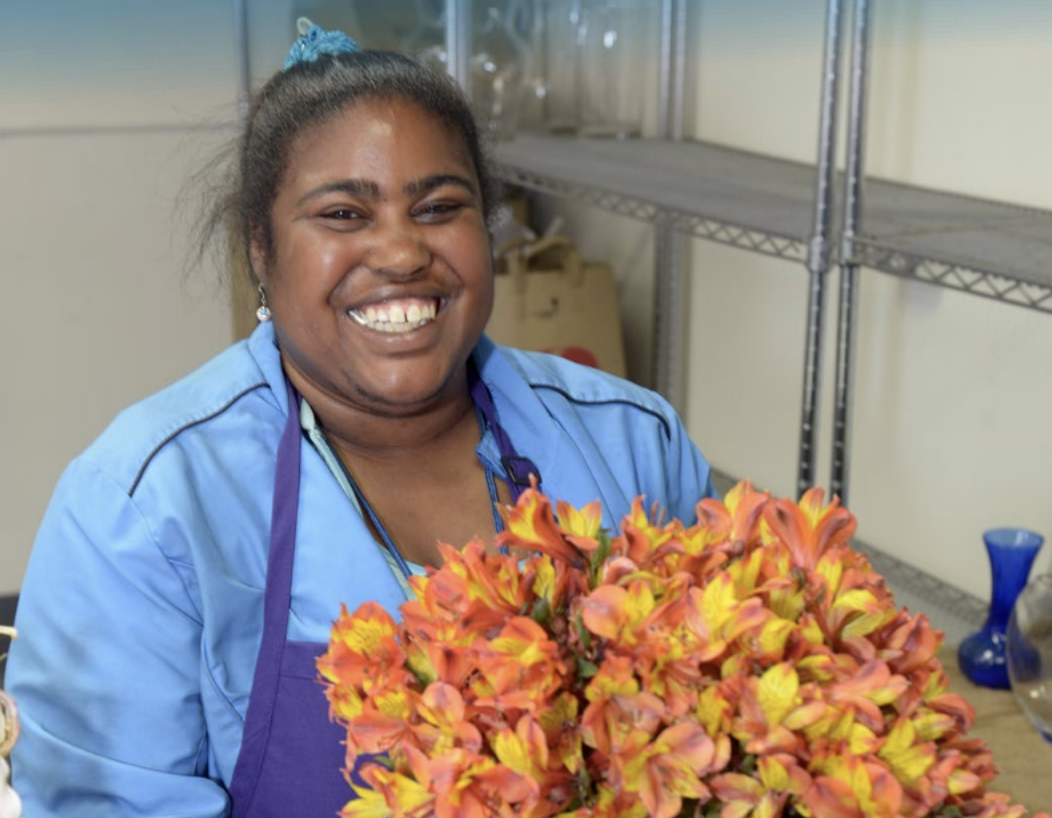
Moving Forward: Transition into Adult Services and Supports